Why Soil Health Matters in Natural Farming
Why Soil Health is the Secret Heart of Natural Farming
If you are just starting your journey into natural farming, you might be focused on the seeds you plant or the weather forecast. But there is one “silent partner” that actually decides your success: the soil.
In natural farming, we don’t just treat soil as a place to stick a seed; we treat it as a living, breathing ecosystem. Understanding soil health is the single most important step for any beginner. Here is why your soil’s well-being is the foundation of everything you grow.
- Soil is a Living “Hotel” for Microbes
Think of healthy soil as a bustling city. It is home to billions of tiny organisms—bacteria, fungi, earthworms, and insects. In natural farming, we call this the Soil Food Web.
These tiny creatures are your farm’s “workers.” They break down dead leaves and organic matter, turning them into natural, high-quality nutrients that your plants can easily “eat.” When you use chemicals, you often kill these workers. In natural farming, we protect them, and in return, they feed your crops for free.
- It Acts Like a Natural Sponge
Have you ever noticed that some soil turns into hard, dusty blocks when it’s dry and muddy, watery soup when it rains? That is a sign of unhealthy soil.
Healthy, natural soil is porous—it has tiny air pockets. This structure acts like a giant sponge.
- In the rain: It absorbs water quickly, preventing runoff and erosion.
- In a drought: It holds onto that moisture, keeping your plants hydrated long after the rain stops.
By building healthy soil, you are essentially creating a built-in irrigation system that saves you money and effort.
- Resilience Against Pests and Disease
Just like humans, plants are less likely to get sick when they are well-fed and healthy. When you grow plants in nutrient-rich, living soil, they develop stronger immune systems.
In industrial farming, farmers often rely on pesticides to fight off bugs. In natural farming, we focus on the soil. A plant growing in healthy, balanced soil produces stronger protective compounds that naturally repel many pests. It’s the difference between eating junk food and a nutrient-dense home-cooked meal—the latter makes you much tougher against illness.
- Better Quality, More Nutritious Food
Have you ever eaten a tomato that tasted like “nothing”? That is often a result of soil that has been stripped of its natural life.
When a plant has access to a diverse range of nutrients—which only healthy, biologically active soil can provide—it produces food that is more flavorful, vibrant, and packed with vitamins. If your goal is to grow food for your family or a local community, soil health is the direct link to the quality of the produce on your plate.
- Saving Money and Effort
One of the biggest myths for beginners is that farming needs expensive fertilizers and chemicals. The truth? If you take care of your soil, your soil takes care of you.
When your soil is healthy, it recycles nutrients naturally through decomposition. You don’t need to keep buying external “inputs” every season. This makes your farm more economically stable. You spend less on chemicals, and your yields become more consistent, even when the weather is unpredictable.
How to Start Building Healthy Soil Today
You don’t need a science degree to start. Here are three simple, beginner-friendly principles to improve your soil:
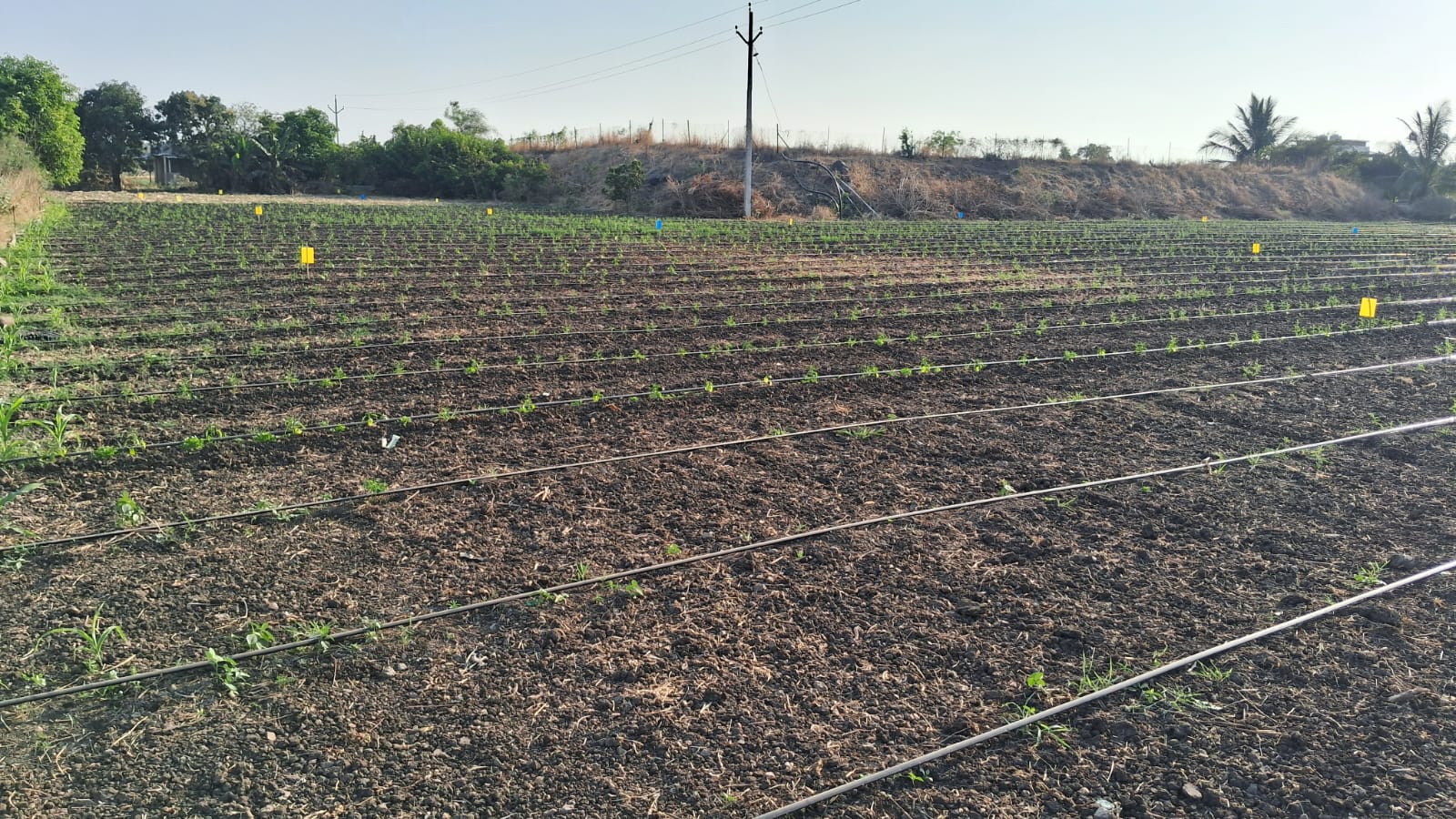
- Keep it Covered: Nature doesn’t like to be naked. Use mulch, straw, or “cover crops” to keep your soil protected from the sun and rain. This stops it from drying out and keeps the “workers” (microbes) cool and happy.
- Minimize Disturbance: Try to disturb the soil as little as possible. Heavy plowing destroys the homes of earthworms and beneficial fungi. Minimal tilling keeps the soil structure strong.
- Feed the Life: Add organic matter like compost, cow manure, or plant waste. This is the “food” that keeps your soil ecosystem active and thriving.
Natural farming is a long-term investment. You are not just growing this season’s harvest; you are building a legacy for the future. By prioritizing the health of your soil, you are working with nature instead of against it.
The next time you head out to your farm or garden, don’t look at the dirt beneath your feet as just “ground.” Look at it as the engine of your farm. If you feed the soil, the soil will feed you, your family, and your land for years to come.
Are you currently using any specific methods, like composting or mulching, to improve your farms soil?
We are using Desi cow dung and bio waste for soil.
Your comment is awaiting moderation.